A Wise Doctor Once Wrote Svg Design Review
As an experienced embroidery designer and product reviewer, I always take a step back before jumping into any new design. I want to understand how it will perform in real-world applications — not just how it looks on screen. Today, I’m taking a close look at A Wise Doctor Once Wrote Svg Design, a retro-style physician quote design that promises versatility across various printable and embroidery projects.
First Impressions: A Nostalgic Touch with Purpose
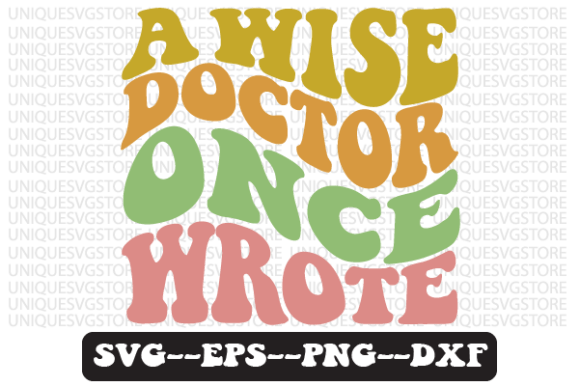
The first thing that struck me about A Wise Doctor Once Wrote Svg Design is its visual personality. The retro aesthetic gives it a classic, timeless feel that would work well for vintage-inspired lines or professional branding with a touch of warmth. The layout is clean but thoughtful — the text is centered with enough white space to let the message breathe. This kind of spacing is important because it ensures legibility after stitching, especially when using satin stitch techniques around the lettering.
What’s also notable is the detail level. It's not overly complex, which is a big plus for embroidery. Dense fill stitch areas can be tricky to manage without proper stabilizer, but this design avoids them. Instead, it uses simple outlines and minimal shading, making it adaptable to both machine embroidery and sublimation printing. The theme feels professional yet approachable, something you might see on a doctor-themed baby onesie or a personalized gift for healthcare professionals.
Where It Shines: Practical Projects with Heart
I can already picture this design on a few different products. For example, if I were preparing a custom embroidered tote bag for a local boutique, this would be a perfect candidate. The retro vibe fits well with artisanal and handmade presentations, and the simplicity allows for clear visibility even from a distance. Another great use case? Baby clothes — think onesies or bibs with a soft, nostalgic message like “A wise doctor once wrote…” paired with gentle colors and subtle accents.
For sweatshirt embroidery, this design could serve as a front patch or a chest graphic. The boldness of the text makes it ideal for large-format applications, where the message is meant to be seen and appreciated. On a holiday gift, such as a personalized apron for a nurse or a medical-themed pillow cover, the design adds a meaningful touch that elevates the finished product beyond basic customization.
It also has potential in commercial embroidery settings. If a small shop owner is looking to add a unique design element to their line of custom apparel or branded merchandise, this file could help establish a consistent look while still feeling personal. Its adaptability to both SVG and PNG formats means it works equally well in digital mockups and actual production runs.
Real-World Performance: Stitch Clarity and Fabric Considerations
When evaluating an embroidery file for real project use, I pay close attention to how it behaves during test stitching. In my experience, designs that appear too intricate on-screen often fall flat when stitched, especially if they include tiny lettering or overlapping elements. Fortunately, A Wise Doctor Once Wrote Svg Design handles itself well under scrutiny.
- Stitch Density: The design doesn’t have overly dense stitch areas, which is great for avoiding puckering or distortion on most fabrics.
- Thread Color Contrast: As with all embroidery projects, thread color choice is critical. This design relies heavily on contrast between the text and background, so it’s best used on lighter-colored materials unless you're confident in your ability to select complementary thread shades.
- Hoop Size: While the exact hoop size isn’t specified, based on the scale of the text and overall layout, it should fit comfortably within standard sizes like 4x4 or 5x7 inches. But for anyone planning to use it on smaller items like embroidered patches or cap embroidery, it’s worth resizing the design carefully to maintain clarity.
When to Proceed with Caution
That said, there are a few scenarios where this design may need extra attention:
- Small Hoop Sizes: Resizing the design for tiny hoops could make the text hard to read after stitching. Always preview at actual scale.
- Textured or Stretchy Fabrics: These can cause distortions in the stitch pattern. Stick to stable, medium-weight cotton blends for best results.
- Dark Backgrounds: The subtlety of the design may get lost on darker fabric. Testing with a black-and-white mockup or contrasting thread colors is recommended.
- Products That Need Frequent Washing: If the design is going on a daily-use item like a kitchen towel or gym hoodie, ensure your thread quality and stabilizer setup can handle repeated laundering without fraying or fading.
For handmade product creators, these considerations are part of the process. They’re what separate a good design from a truly usable one. I’ve seen many beautiful SVG files that don’t translate well to fabric, so it’s reassuring to find one that’s been crafted with practicality in mind.
Visual Appeal and Brand Value
One of the things I love about this design is how it balances professionalism with charm. The retro style suggests a sense of tradition and wisdom, which is perfect for niche markets like medical-themed gifts, wellness boutiques, or personalized products aimed at healthcare workers. It adds value by being more than just decorative — it tells a story.
From a customer trust perspective, using a design that reads clearly and stitches cleanly is essential. Misaligned letters or poor stitch coverage can make a handmade product look unprofessional, regardless of how creative the concept is. A Wise Doctor Once Wrote Svg Design passes this test. When stitched correctly, it looks polished and intentional, contributing to a higher perceived value and stronger buyer engagement.
For Etsy sellers or craft business owners, this kind of presentation is key. Customers are investing in more than just the product — they’re buying into the story behind it. A design that communicates care and craftsmanship, like this one, can enhance brand consistency and recognition over time.
Design Notes for Embroidery Artists
If you're considering using A Wise Doctor Once Wrote Svg Design in your next project, here are some tips to keep in mind:
- Always test the design on scrap fabric before final production to check for any stitch irregularities or alignment issues.
- Review the thread colors and adjust them to suit your material and machine capabilities.
- Check stitch density and consider reducing it slightly if working with delicate or stretchy fabric types.
- Confirm the hoop size requirements for your specific embroidery machine. If they aren’t listed, do a quick search or contact the seller for clarification.
- Inspect small details like corners and curves to ensure smooth transitions in the stitch path.
- Test the design in black and white to evaluate how it might appear with limited color options or on dark backgrounds.
- Use appropriate stabilizer depending on your fabric type. Tightly woven cotton generally requires less support than knits or textured materials.
- Verify whether the design is suitable for commercial embroidery and confirm licensing terms before selling finished products or digital embroidery files.
Final Thoughts for Makers and Sellers
In the world of machine embroidery design, it’s easy to get caught up in the visual appeal and forget the technical execution. A Wise Doctor Once Wrote Svg Design does well on both fronts. It has the character needed to stand out in a craft business lineup and the structure to perform reliably in a variety of real-life embroidery situations.
Whether you're creating a holiday gift for a loved one or designing a new line of nursery decor for resale, this design brings a thoughtful message and a refined look. However, its success depends on how well you tailor it to your specific project — fabric type, placement, and finishing touches matter as much as the design itself.
So go ahead, give it a try. Just remember to stitch smart and test thoroughly. With the right preparation, A Wise Doctor Once Wrote Svg Design could become a valuable addition to your design assets, helping you create products that resonate with customers and reflect your creative expertise.