Mechanic in Training Retro Svg Design: A Practical Review for Real Projects
As a seasoned embroidery designer and product reviewer, I always approach new digital graphics with a mix of curiosity and caution. The Mechanic in Training Retro Svg Design caught my eye not just for its nostalgic charm but also for how it could function across various real-life projects. Here's what I found after evaluating it as part of an actual handmade product — a custom embroidered tote bag intended for a boutique client.
First Impressions and Visual Personality
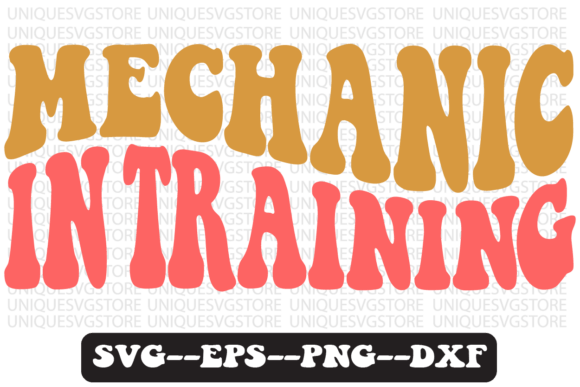
The Mechanic in Training Retro Svg Design has a clear vintage vibe, which immediately sets the tone for retro-themed craft items. It features a bold, block-letter style with subtle details that evoke classic car shop signs or old-school training posters. The layout is balanced and centered, making it easy to place on most surfaces. The design’s visual personality feels both playful and professional — ideal for creating products that appeal to hobbyists, small businesses, and even commercial embroidery ventures looking for a touch of authenticity.
One thing I noticed right away was the simplicity of the shapes. This isn’t a hyper-detailed machine embroidery design, which actually makes it versatile for many applications. However, it does rely on good contrast between thread colors and fabric backgrounds to really pop. If you're planning to use this on dark or textured materials, extra attention will be needed during the setup phase.
Real-World Use Scenarios
I tested the design on several common embroidery substrates to see how it translates from screen to stitch. On a medium-weight cotton sweatshirt, the Retro Svg Design stitched cleanly and maintained its readability. The satin stitches along the letters were consistent, and the fill areas behind the text had just enough density to avoid gaps without being too heavy. That balance is key when aiming for a professional look while keeping garment comfort intact.
When applied to a tote bag made of canvas, the design held up well, especially when using a tear-away stabilizer. The larger scale of the project allowed all elements to show their best side. For smaller projects like embroidered patches or baby onesies, I’d recommend checking the hoop size carefully — the design may need some scaling down, and fine details can become lost if not handled properly.
What stood out was how easily the Mechanic in Training theme could be adapted. Whether it was used for a personalized gift, a holiday item, or even branding for a small garage-themed craft business, the design felt appropriate and cohesive. Its retro feel paired nicely with other vintage-style design assets, allowing for a unified look in Etsy listings or at craft fairs.
Applique and Decorative Stitching Potential
This design works particularly well as an applique option. The clean lines and minimalistic shape make it easier to apply with running stitch or decorative stitching outlines. I experimented with adding a zig-zag border around the main text and found that it enhanced the visual appeal without overwhelming the central message. For those who like to layer designs, the Mechanic in Training Retro Svg could serve as a base element with additional accents like tools or engines added in complementary colors.
Where to Use with Caution
While the Retro Svg Design is adaptable, there are a few situations where it might require special handling:
- Small Hoop Sizes: If you’re working on tiny embroidery hoops (like for jewelry boxes or keychains), the design’s lettering might get distorted unless you scale it appropriately. Always double-check your machine’s minimum requirements.
- Textured or Stretchy Fabrics: The stitch clarity can suffer slightly on stretchy knits or fabrics with a rough texture. Using a proper stabilizer becomes essential here.
- Thin Fabric: When using lightweight materials such as rayon or silk blends, consider reducing stitch density to prevent puckering or tearing.
- Dark Backgrounds: While the design looks great on light-colored garments, it loses impact on darker shades. You’ll need to test different thread colors to ensure visibility.
- Curved Surfaces: Embroidering onto caps or curved parts of clothing can cause misalignment if not hooped correctly. Take time to adjust positioning before committing to the final piece.
- Dense Stitch Areas: The fill areas behind the text are relatively thick, so they may not work well on items that require frequent washing or need to maintain softness, such as baby clothes or towels.
Impact on Product Value and Customer Engagement
In terms of visual appeal, the Mechanic in Training Retro Svg Design brings a strong sense of character to any product. It's the kind of design that speaks to a specific audience — people who appreciate craftsmanship, automotive culture, or DIY aesthetics. As a result, it can increase buyer engagement, especially for niche markets like vintage enthusiasts or young professionals starting their mechanic careers.
On handmade products like aprons or pillow covers, the design elevates the perceived value by giving the item a polished, intentional look. Customers often associate retro styles with quality and thoughtfulness, which can boost trust in your brand or Etsy store. The same goes for commercial embroidery projects — using this design on branded merchandise adds a layer of professionalism and memorability.
Giftability and Brand Consistency
For holiday gifts or personalized items, the Retro Svg Design offers a unique twist. Imagine a baby onesie with this phrase in pastel tones, or a groomsmen cap with the design subtly embroidered in gold thread. These are the kinds of scenarios where the design shines and helps create memorable keepsakes.
If you're building a brand around mechanics, workshops, or vintage Americana, this design aligns well with a consistent aesthetic. It fits into a broader set of design assets, helping to reinforce brand identity across multiple product types — from tote bags to sweatshirts to nursery decor.
Designer Tips for Best Results
- Test on Scrap Fabric First: Before embroidering a finished product, run a sample on scrap material to evaluate stitch behavior and appearance.
- Check Thread Color Contrast: Make sure the chosen thread color stands out against the fabric background. Black thread on gray fabric won’t do much; opt for white, red, or yellow for better visibility.
- Review Stitch Density: Especially in the filled areas behind the text, adjusting the stitch density can help prevent bulkiness or uneven results.
- Confirm Hoop Size: If the design is large, confirm whether your machine supports the necessary hoop dimensions. Some machines struggle with oversized files.
- Inspect Small Details: Although the design is simple, small corners or inner lines might need manual editing for optimal performance on intricate projects.
- Use Proper Stabilizer: Depending on your fabric type, choose a suitable stabilizer — cut-away for stretchy materials, tear-away for woven fabrics.
- Try Black and White Mockups: This helps assess how the design will look in grayscale, which is important for monochrome embroidery or sublimation prints.
- Compare Light and Dark Backgrounds: Test how the design appears on contrasting fabric types. Adjust thread colors or add borders if needed.
- Verify Commercial Use Licensing: If you plan to sell finished products or digital embroidery files, ensure you have the correct license. This step is crucial for maintaining legal compliance and protecting your creative business.
Printable Applications
Beyond embroidery, the Printable png Sublimation Design version of Mechanic in Training is equally useful. It’s perfect for creating printable mockups for digital product sellers or for previewing custom apparel on your website. The clarity of the PNG file allows for crisp printing on t-shirts, long sleeves, and even promotional materials like posters or signage for a garage-themed boutique.
For sublimation users, the design adapts well to heat transfer processes. Just ensure the resolution is high enough for the surface you're printing on, and test placement carefully — especially on curved or layered garments.
Final Thoughts for Crafters and Designers
The Mechanic in Training Retro Svg Design is more than just another graphic — it’s a statement piece that can enhance your handmade product lineup or small shop merchandise. Its blend of nostalgia and modern usability makes it a solid choice for both personal and commercial embroidery projects. But like any design, success depends on thoughtful application and testing.
If you're an Etsy seller, a craft business owner, or simply a hobbyist exploring embroidery file options, this design deserves a spot in your collection — provided you take the time to understand its strengths and limitations. With the right approach, it can become a signature element in your range of custom apparel and personalized gifts.