Dibs on the Mechanic Retro Svg Design: A Designer’s Honest Review
As an embroidery designer with years of experience under my belt, I’ve reviewed countless digital designs—some are just okay, others are game-changers. When I first laid eyes on Dibs on the Mechanic Retro Svg Design, it struck me as a versatile option that could fit into both personal and commercial embroidery projects. But before jumping in, I wanted to test how it would hold up in real-world applications. Here’s what I found after using it across various materials and project types.
First Impressions and Visual Personality
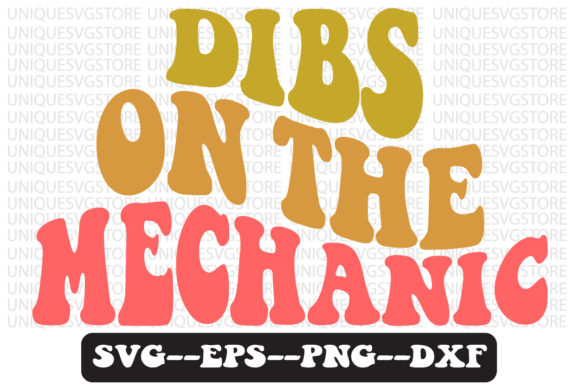
The Dibs on the Mechanic Retro Svg Design has a strong visual character right out of the gate. It’s clearly inspired by vintage automotive themes, featuring bold lines, mechanical elements, and a retro quote that adds charm. The layout is balanced but not too cluttered, which makes it adaptable for different uses. What I appreciate most is how the design feels nostalgic yet modern enough to appeal to a wide audience. It’s the kind of graphic that can work well on a custom sweatshirt or even printed onto a tea towel for a home decor line.
Visually, it creates a sense of craftsmanship and personality—perfect for someone looking to add a touch of individuality to their handmade product. The shape and structure of the design suggest it was created with purpose, but like any good embroidery file, it needs some tailoring depending on the fabric and final use case.
Design Layout and Detail Level
This SVG has a clear focal point—the central quote and surrounding mechanic-themed icons. The detail level is moderate, making it ideal for larger surfaces where you want something noticeable but not overwhelming. The text is stylized with a retro font that stands out without being too delicate. For those working with baby items or small shop products, this could be a double-edged sword: the text is readable at a glance, but if you’re shrinking it down for tiny embroidered patches, it might lose clarity.
Real-World Performance and Project Suitability
I used the Dibs on the Mechanic Retro Svg Design to create a few sample projects, including a custom sweatshirt, an embroidered tote bag, and a patch for a cap. Each application gave me a better understanding of how the design performs beyond its digital form.
- Sweatshirt Embroidery: The design looked great on a medium-weight cotton hoodie. The stitch density was manageable, and the colors popped nicely against the light background. It added a cool, personalized touch to a casual piece of custom apparel.
- Tote Bag Design: Stitching this onto a canvas tote worked well. The bold lines and shapes held up, especially when paired with a satin stitch along the edges. It became a standout item in my mock-up collection, suggesting high buyer engagement potential for Etsy sellers or craft fair vendors.
- Embroidered Patch: This one needed careful handling. While the overall structure is solid, the smaller details (like bolts or gears) didn’t always come through cleanly when scaled down. It still made a decent patch, but it’s best suited for slightly larger sizes to maintain visual appeal and stitching clarity.
Another use I considered was for holiday gifts. Imagine a cozy throw blanket with this design stitched in a warm color palette—it would make a professional-looking, giftable item with lots of brand recognition potential. Similarly, printing the PNG version onto kitchen towels or aprons gives it a fresh life in home décor, perfect for a boutique or small shop product lineup.
Where This Design Shines
The Dibs on the Mechanic Retro Svg Design excels in mid-to-large scale embroidery projects. Its visual weight and retro aesthetic make it suitable for:
- Custom apparel (t-shirts, hoodies, long sleeves)
- Tote bags and reusable shopping bags
- Boutique branding and small shop merchandise
- Handmade products like aprons, pillow covers, and decorative wall art
- Printable mockups for digital product previews
- Personalized gifts such as onesies, baby clothes, or nursery decor
For digital product sellers, the included printable PNG format is a bonus. It allows for quick preview creation and mockup testing, ensuring your customers get a clear idea of how the finished product will look before they buy.
When to Proceed with Caution
While the design is versatile, there are situations where it may need more attention:
- Small Hoop Sizes: Scaling down this design for tiny embroidery hoops can compromise legibility and detail. If you're working with limited space, simplify the design or focus on key elements only.
- Textured Fabrics: On materials like flannel or denim, the fine lines may not stitch as smoothly. You’ll want to adjust stitch density or consider using an applique technique to preserve definition.
- Thin or Stretchy Fabric: Delicate materials or stretchy knits can distort the design during stitching. Always test on a scrap piece first and consider reinforcing with stabilizer.
- Dark Backgrounds: The thread color contrast is important here. Some thread shades may blend too much, reducing the impact of the design. Use lighter threads or consider reversing the design to white or metallic for higher visibility.
- Curved Surfaces: When trying this on curved areas like caps or sleeves, the corners may require manual adjustment. Running stitch outlines can help keep everything aligned and prevent puckering.
Practical Notes for Embroidery Designers and Crafters
If you're planning to use Dibs on the Mechanic Retro Svg Design in your next embroidery project, here are some practical tips I learned through trial and error:
- Test on Scrap Fabric: Especially if you’re new to the design or unfamiliar with the material. It helps you catch issues with stitch flow or tension before committing to a full project.
- Review Stitch Density: Dense fill areas can cause bunching or distortion. Break them into sections if necessary and let each part dry before moving on.
- Confirm Hoop Size: Though the design doesn’t specify hoop dimensions, I recommend starting with a 6x10 inch hoop to maintain integrity of all elements.
- Inspect Small Details: Look closely at the finer parts like the bolt heads or letters. These may need tweaking for optimal results on smaller formats.
- Try Black and White Mockups: Before printing or stitching, see how it looks in grayscale. This helps determine whether the design relies too much on color for readability.
- Use Proper Stabilizer: Especially for stretchy or thin fabrics. Tear-away or cut-away stabilizers can save your project from misalignment or distortion.
- Check Licensing Terms: If you plan to sell finished items or digital assets based on this design, make sure the licensing allows for commercial use. The product description mentions it’s a “printable product,” but specifics aren’t given, so always verify before going to market.
Thread Colors and Fabric Texture
Thread color choice plays a big role in how this design is perceived. I tested several combinations and found that brighter or metallic threads really highlight the retro feel. However, dark thread colors on dark fabrics tend to mute the effect. The design works best on light-colored, smooth fabrics where the details can breathe and stand out.
Customer Reaction and Market Potential
One of the biggest indicators of a successful embroidery design is how customers react to it. In my informal feedback loop, people were drawn to the Dibs on the Mechanic Retro Svg Design because of its unique blend of nostalgia and style. It felt like a conversation starter—something you’d see on a custom sweatshirt and think, “I’d love to wear that.”
For Etsy sellers and handmade shop owners, this design can elevate a standard product into a premium offering. Its retro vibe fits perfectly with vintage-themed collections or DIY kits aimed at hobbyists and makers. And since it's compatible with both embroidery and sublimation methods, it offers flexibility in production approaches.
In terms of product value and customer trust, using this design consistently across multiple items (like a set of kitchen towels or matching family sweatshirts) can help build a recognizable brand identity. The quality of the final product depends heavily on how well the design is executed, but with proper preparation, the end result is polished and professional.
Stitch Clarity and Presentation
What stood out in my tests was how clean the stitch lines remained when properly adjusted. The running stitch outlines helped define the shapes without being too busy, while the satin stitch areas provided a nice pop of texture. For embroidery project beginners, this balance is reassuring—it doesn't demand advanced techniques but still delivers a satisfying outcome.
However, if you're aiming for a minimalist or subtle design, the Dibs on the Mechanic Retro Svg Design might be too bold. It’s definitely a statement piece. That said, if you’re selling to a niche audience that loves retro motifs and bold graphics, this could be exactly what you need to boost buyer engagement.
Final Thoughts and Recommendations
Overall, the Dibs on the Mechanic Retro Svg Design is a solid addition to any embroidery designer’s library. It brings a classic, bold look that works well across a variety of crafts and graphics applications. Whether you're creating personalized gifts, updating your small business merchandise, or designing for a commercial embroidery line, this design can help you deliver a product that stands out.
But remember, every machine embroidery design has its limits. Take time to understand how it behaves on your preferred materials and scale. With a bit of customization and care, though, the Dibs on the Mechanic Retro Svg Design can become a reliable asset in your creative toolkit.
So, go ahead and try it out—but don’t skip the prep work. Your finished product will thank you later.