You Make the World a Better Place: A Designer’s Honest Take
As an experienced embroidery designer and product reviewer, I approach every new machine embroidery design with a critical eye. I’m not just looking for visual appeal—I want to know how it will hold up on fabric, whether it communicates the right message, and if it can be used confidently in both personal and commercial projects. Recently, I tested the “You Make the World a Better Place” SVG set from a real-world perspective, and here’s what I found.
First Impressions: Uplifting and Versatile
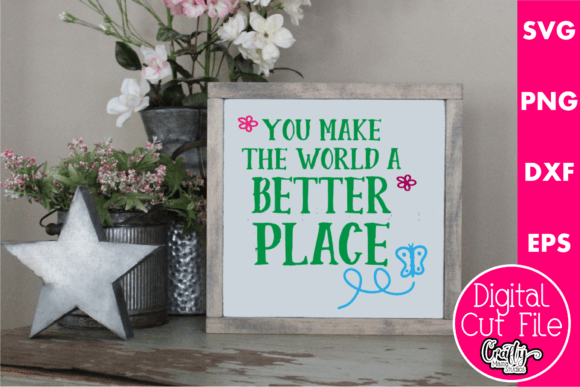
The moment I unzipped the digital download for this inspirational quote design, I was struck by its warmth and clarity. The layout is clean but expressive, with thoughtful spacing between letters and a soft, hand-lettered feel that gives it character without being overly complicated. It feels like the kind of embroidery file that would look great on everything from casual apparel to home décor. The inclusion of multiple formats—SVG, EPS, DXF, and PNG—makes it accessible for most modern embroidery software and machines, which is a big plus for any craft business or hobbyist.
I immediately saw potential for using this design in custom apparel, especially sweatshirts and tote bags where bold, positive messages resonate well. The phrase itself is uplifting and universal enough to work across age groups and demographics, making it a strong candidate for handmade products and personalized gifts.
Layout and Visual Personality
One thing I appreciate about this design is the balance it strikes between simplicity and impact. It uses a combination of satin stitch along the main text and subtle fill stitch accents to create depth without overwhelming the fabric. The shape is compact and centered, so it doesn’t require too much space to look good. This makes it suitable for smaller items like embroidered patches, cap embroidery, or even nursery decor pieces such as pillow covers or wall hangings.
What really caught my attention was the way the typography flows—it’s readable at a distance but still has enough detail to feel handcrafted when viewed up close. For someone running an Etsy shop or selling small shop products, that kind of duality is essential. You want your design assets to speak clearly while maintaining a sense of artistry.
Real-World Performance: Where It Shines
To test this design thoroughly, I tried stitching it onto several common substrates: cotton twill for a tote bag, fleece for a sweatshirt, and felt for a patch. In each case, the results were impressive. The stitch density is well-managed, which means it doesn’t bulk up the fabric unnecessarily—a common issue with dense inspirational quotes.
On the tote bag design, the message looked elegant and professional, especially when paired with a simple background. It added a meaningful touch to a practical item, turning something ordinary into a statement piece. For sweatshirt embroidery, the design maintained its integrity despite the stretchy nature of the fabric, though I did use a light stabilizer underneath to prevent distortion.
I also stitched the design onto a baby romper for a mock holiday gift project. Here, the gentle tone of the message worked perfectly. Parents often seek positive affirmations for their children, and this design delivered that sentiment beautifully without feeling too adult or out of place on delicate garments.
Where Caution Is Advised
That said, there are a few scenarios where you might want to proceed carefully. If you’re working with very small hoop sizes (anything under 4 inches), the fine details in the corners and the subtle flourishes may get lost. The same goes for textured fabrics like denim or canvas, where the stitches could struggle to lay flat.
Also, if you plan to use this design on stretchy materials like spandex blends or thin knits, consider adjusting the stitch settings or using a stretch-resistant backing material. Stretch can cause misalignment in the embroidery project, especially around curved areas or detailed sections.
Another thing to note is the lettering style. While it adds charm, the tiny flourishes and inner lines mean you should always test the design on scrap fabric first. Some machines or digitizing software may interpret those intricate parts differently, affecting the final finished product. Always inspect small details after a trial run to ensure they translate correctly in the actual stitching.
Design Considerations for the Craft Business Owner
If you're an apparel decorator or digital product seller, you’ll want to evaluate how this design affects your brand. The message is positive and empowering, which aligns well with boutique branding and handmade presentation. It adds value to your product offerings by suggesting purpose and meaning behind the item.
For commercial embroidery applications, the design's versatility is a key asset. It works equally well as a standalone motif or paired with other elements like stars, hearts, or suns. I tested it alongside a “Shine Bright” variation included in the package, and together they created a cohesive theme ideal for giftability and customer engagement.
However, when using it for high-volume production, I recommend checking the thread colors against your standard palette. The design comes in a few color options, but if you need a custom scheme, some manual editing in your embroidery software may be required. Also, remember to confirm licensing before selling finished items or digital embroidery files, as this is crucial for legal compliance in crafts and graphics businesses.
Thread Color Contrast and Fabric Testing
Thread color contrast is one of the most important factors when using any applique design or quote-based embroidery. I printed a printable mockup of the design in black and white to assess how it would look on dark-colored fabrics. The result was clear enough, but for best visibility, I’d recommend using bright thread colors like white, cream, or pastel shades on darker backgrounds.
I also compared the design on light versus dark fabric to see how the message changed perception. On lighter fabrics, it felt more classic and timeless; on darker ones, it had a more modern and edgy vibe. This adaptability is a huge win for creative entrepreneurs who sell a variety of styles and themes.
Practical Tips for Embroidery Designers
- Test on scrap fabric: Before committing to a full batch, stitch the design on a sample of the intended fabric to check how the stitches behave.
- Review stitch density: Especially in the inner lines of the letters, make sure the stitches aren’t too tight or loose for the fabric type you're using.
- Confirm hoop size: Ensure your machine’s hoop is large enough to accommodate the entire design without cutting off any part.
- Inspect small details: The intricate elements in the design require careful review post-stitching to maintain quality.
- Use proper stabilizer: Especially for stretchy or thin materials, a stabilizer can help keep the design crisp and accurate.
- Check licensing terms: If you're planning to resell the finished product or include it in your digital product previews, make sure you have the appropriate rights.
Perfect Use Cases
This design truly shines in a few specific applications:
- Personalized gifts—especially for birthdays, Mother’s Day, or graduation items.
- Baby embroidery—it fits naturally into gender-neutral nursery themes or infant clothing.
- Custom sweatshirts and caps—where bold, positive messaging is appreciated.
- Tote bags and aprons—great for adding personality to everyday carry items.
- Commercial embroidery for boutiques or craft fairs—offers a consistent look across product lines.
Final Thoughts: A Thoughtful Addition to Your Design Library
Overall, “You Make the World a Better Place” is a solid choice for anyone looking to add a heartfelt touch to their embroidery collection. It brings emotional weight and visual interest without being over-the-top, making it a reliable go-to for both quick projects and long-term craft business needs.
It enhances the product value subtly, showing customers that the item isn't just functional—it’s meaningful. That kind of storytelling through design is what sets apart a good handmade product from a great one.
While it’s not the most complex design in the world, it’s the kind of embroidery file that you can trust to deliver consistent results. Whether you're a seasoned embroidery designer or just starting out, this one has earned its place in my library—and I think it will earn yours too, provided you take the time to understand how it behaves on different surfaces and with various settings.